Living with piles can disrupt your daily life as these can bring a lot of discomfort and pain, particularly when you are sitting or every time you need to move your bowel. Thankfully, there are many effective piles treatments in Singapore (https://alpinesurgical.sg/things-know-before-preparing-piles-surgery/). You can find relief from lifestyle adjustments, medications, and, for severe cases, medical procedures.
Because piles cause discomfort, you may think that skipping exercise and physical activities would be good to manage it. The truth is, finding the right kind of exercises and physical activities can actually improve your condition as it can ease your symptoms by improving blood circulation, reducing constipation and strengthening your pelvic muscles. In this article, we are going to discover the different types of exercises that are safe and gentle for piles management, so you can continue to stay active and protect your health.
The Importance of Exercise in Managing Piles
First and foremost, it is important to have a proper understanding of the role that exercise and physical activity play in piles management.
1. Constipation prevention
One of the top causes of piles is constipation. When your stools are hard, they tend to be difficult to pass, which causes you to strain and place extreme pressure on your rectal veins. By doing regular exercises, you can help trigger bowel movements in your body by improving intestinal motility. This helps make stools softer and easier to release.
2. Improved blood circulation
Swollen veins occur due to poor blood circulation. By doing the right exercise, you can increase the blood flow in your anal region, which can minimise inflammation and reduce discomfort around this area.
3. Pain reduction
Gentle movements and low-impact exercises release endorphins, which is the body’s natural hormone for pain relief. Producing more endorphins eases discomfort and stress.
4. Pelvic floor strengthening
The pelvic floor provides support to the rectum. Having strong pelvic floor muscles helps unload any pressure on the rectal veins, which can soothe existing piles and minimise its risk of development.
The Right Exercise for Managing Piles
When choosing exercises or physical activities for piles management, it is essential that you do not go for activities that put additional pressure on your abdomen or place excessive tension on your pelvic floor. Instead, you should choose movements that are gentle to your sensitive and inflamed tissues.
1. Low-Impact Aerobic Exercises
The best exercise routine for piles management are low-impact aerobic activities. Performing these activities enable your heart’s rate to rise and allow the blood to circulate without straining the pelvic area. The improved blood flow helps your piles by reducing inflammation and promoting healing. Here are some examples of low-impact aerobic exercises:
- Walking: Walking is the top recommended exercise for managing piles. A 20 to 30 minute brisk walk at a consistent pace done every day supports your entire digestive tract by encouraging peristalsis to move food and waste throughout the large intestines. Walking regularly in a gentle manner promotes soft bowels that helps to lessen the need to strain during bowel movements.
- Swimming: Swimming is another great exercise for managing piles as the rectal area is spared from any impact or pressure due to the water that supports the weight of your body. This activity is low-stress and provides a full-body workout, which is beneficial for improving circulation. Perform gentle strokes like the backstroke or crawl and avoid intense movements, such as breaststroke kicking as this can cause tension in your pelvic floor.
2. Core and Pelvic Floor Strengthening Exercises
Having a strong abdominal core and pelvic floor are crucial to allow your body’s digestion and waste elimination processes to function efficiently. Exercises that engage and strengthen these areas are important, but they should be performed in a gentle manner.
- Gentle Core Strengthening: Skip intense core sit-ups or crunches as these can increase pressure on the abdomen and put a strain on the pelvic floor. Instead, try doing the Cat-Cow Yoga Pose or doing Pelvic Tilts.
3. Relaxation Exercises for the Mind and Body
Piles symptoms tend to worsen when the body is stressed as the muscles around the rectum can tighten. Hence, it is also important to practice exercises that bring relaxation to your mind and body.
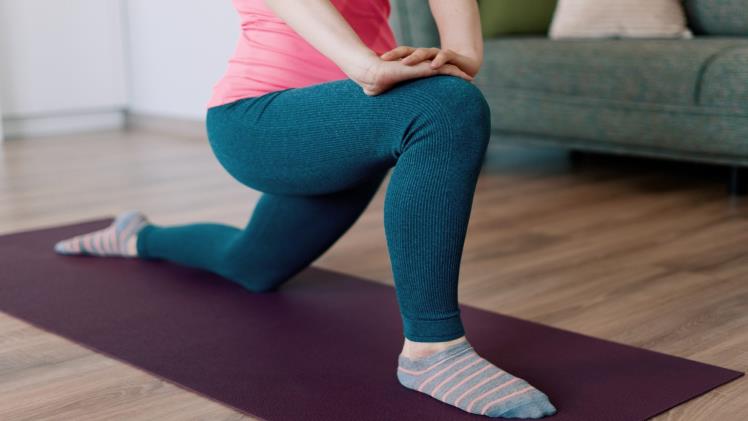
- Stretching and Yoga: Yoga is good for relieving muscle strain and improving flexibility around your lower back and hip. The best poses to do regularly are the Balasana or Child’s Pose and the Viparita Karani or Legs-Up-The-Wall Pose. The Child’s Pose relaxes the nervous system, resulting in the release of pressure off the pelvic region. The Legs-Up-the-Wall Pose removes the congestion and tension in the veins of the legs and pelvis, which includes the hemorrhoidal veins.
Exercises to Avoid When You Have Piles
Active or inflamed piles can worsen with certain exercises that increase the pressure on the anal cushions, so be mindful to avoid these activities:
- Heavy lifting and weight training: These exercises require you to hold your breath and bear down pressure, resulting in added pressure in your abdominal area. Best to avoid doing deadlifts, chest presses, heavy squats, and any weight training.
- High-Impact Activities: Repetitive clashing motions can put too much stress in the entire pelvic area. Avoid intense plyometrics, jogging, jumping rope, and running.
- Prolonged sitting: Technically sitting is not an exercise, but it is an activity that is done frequently and is known for being a major cause of exacerbating piles. If your work requires you to sit for a long time, always remember to squeeze in a 5-minute break to get up and walk every hour. Also, when using a hard chair, use a cushion (not a donut cushion) to add extra comfort to your buttocks.
When to Seek Medical Help
While gentle exercises help relieve pressure from your rectal area, these are not a substitute for treatment. If you suffer from concerning symptoms like persistent bleeding, severe pain, or inflammations that do not improve over time, then you should consider undergoing a piles treatment in Singapore. These may need immediate intervention, such as medications or a surgical procedure. It is also important to stop all kinds of physical activities, including those recommended for piles management, when you notice that your symptoms are getting worse.
Alpine Surgical
3 Mount Elizabeth #14-06
Singapore 228510
319 Joo Chiat Place #04-07
Singapore 427989
1 Farrer Park Station Road
#11-10 Singapore 217562
Phone: +65 6322 7323
Whatsapp: +65 8875 0080