
Managing part-time staff across overlapping shifts shouldn’t feel like solving a puzzle every single week. Yet for countless business owners, that’s exactly what it is. Paper timesheets pile up with errors, basic punch clocks can’t accommodate last-minute schedule changes, and hours vanish into manual data entry that nobody trusts. The result is payroll disputes, frustrated employees, and managers spending evenings reconciling attendance records instead of growing their business.
Why Traditional Time Clocks Fail for Flexible Shifts
Traditional time tracking systems were designed for a simpler era—one where everyone clocked in at the same time, worked a fixed eight hours, and left together. That model doesn’t reflect today’s reality, where part-time staff rotate through variable schedules, shift swaps happen at the last minute, and no two weeks look the same. When you try to force flexible shifts into a rigid system, the cracks appear immediately.
The first breakdown is adaptability. A basic punch clock or paper sign-in sheet has no mechanism for handling a schedule change made at 6 PM the night before a shift. Managers end up scribbling notes, sending group texts, and hoping everyone shows up at the right time. There’s no centralized record of who agreed to what, which creates disputes when payroll arrives. Variable hours compound the problem—when every employee works a different number of hours each week, manually tallying totals becomes an error-prone marathon that consumes hours of administrative time.
Then there’s the accountability gap. Buddy punching—where one employee clocks in on behalf of another—costs businesses measurable revenue every pay period. Traditional systems offer no verification beyond the honor system. Without real-time visibility, a manager won’t know someone failed to show up until the shift is already understaffed and customers are waiting. By the time attendance data makes its way from a paper timesheet into a payroll spreadsheet, it has passed through enough hands to introduce transcription errors, rounding mistakes, and outright omissions. For any business relying on flexible shifts and part-time staff, these limitations aren’t minor inconveniences—they’re systemic failures that drain money, erode trust, and prevent growth.
Choosing the Right WiFi Time Clock System for Your Business
Selecting a WiFi time clock isn’t just about replacing a punch card machine with something digital—it’s about finding a system that matches the way your business actually operates. The right platform should feel like it was built for the unpredictability of flexible shifts, not retrofitted to handle them as an afterthought. Before committing to any solution, evaluate how well it addresses three core needs: can it adapt to constantly changing schedules, does it connect with your existing tools, and will your team actually use it without resistance?
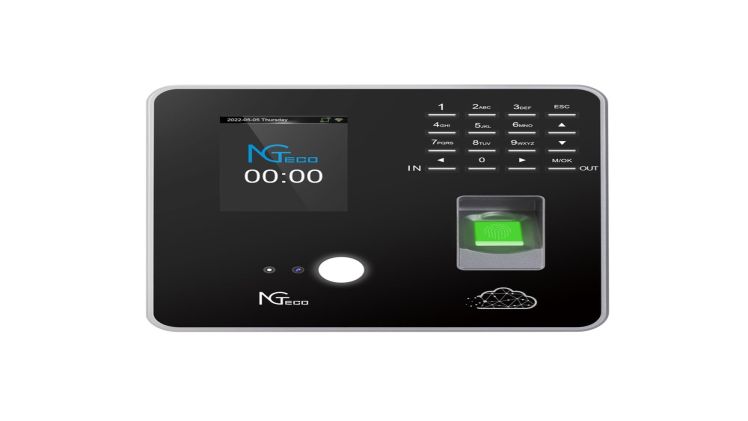
Start by mapping your specific requirements. Consider how many employees need to clock in simultaneously, whether you need multiple clock-in locations, and how frequently your schedules change. A restaurant with rotating weekend staff has different demands than a retail store with split shifts across departments. The system you choose should handle your most complex scheduling week without requiring workarounds. Look for cloud-based platforms that push updates instantly across all devices, so a schedule change made from your phone at home reflects immediately on the clock-in terminal at your location. Prioritize systems that offer biometric or photo verification to eliminate buddy punching—hardware providers like NGteco offer WiFi-enabled time clock devices with built-in facial recognition designed specifically for this purpose—and ensure the interface is intuitive enough that a new hire can clock in on their first day without a training session. The two features below deserve the closest scrutiny during your evaluation.
Key Feature 1: Advanced Shift Scheduling Capabilities
Your WiFi time clock system must do more than record punches—it needs to function as a dynamic scheduling engine. Look for drag-and-drop interfaces that let you build an entire week’s schedule in minutes, then copy and modify it for future weeks as patterns emerge. For part-time staff who work irregular hours, the system should support repeating shift templates that auto-populate based on availability preferences each employee sets in their profile. Equally important is built-in shift swap functionality. When someone can’t make a Saturday morning shift, they should be able to post it for qualified coworkers to claim—with manager approval required before the change takes effect. This keeps you in control while removing yourself as the bottleneck for every minor adjustment.
Key Feature 2: Seamless Integration and Reporting
A time clock that doesn’t talk to your payroll software creates a new version of the same old manual data entry problem. Confirm that any system you evaluate offers direct integration with your accounting or payroll platform, whether that’s QuickBooks, ADP, Gusto, or another provider. Hours, overtime calculations, and PTO should flow automatically into payroll without export-import gymnastics. Beyond payroll, demand real-time reporting dashboards that show labor costs per shift, attendance trends over time, and coverage gaps before they become emergencies. These reports transform raw clock-in data into decisions—helping you see which shifts are consistently overstaffed, where tardiness clusters, and how actual labor spending compares to your budget week over week.
A Step-by-Step Guide to Implementing Your WiFi Time Clock
Having the right system means nothing if the rollout stumbles. A poorly planned implementation leads to confused employees, unreliable data during the transition period, and managers reverting to old habits out of frustration. The good news is that deploying a WiFi time clock doesn’t require an IT department or weeks of downtime. With a structured approach, most small businesses can go from unboxing hardware to tracking live punches within a few days. The key is treating implementation as two distinct phases: getting the physical and network infrastructure right, then configuring the software and bringing your team on board. Rush either phase and you’ll spend weeks troubleshooting problems that should have been resolved before the first employee ever tapped the screen. Follow these steps in sequence, and you’ll build a foundation that supports accurate, flexible attendance tracking from day one.
Step 1: Pre-Implementation Planning and Hardware Setup
Begin by auditing your WiFi coverage at every location where employees will clock in. Use your phone to test signal strength at the exact spots you’re considering for device placement—near entrances, break rooms, or back-of-house areas where staff naturally pass at shift transitions. Dead zones or weak signals will cause failed punches and erode trust in the system immediately. Once you’ve confirmed reliable connectivity, choose your hardware format. A wall-mounted tablet works well for single-entry locations, while a freestanding kiosk suits high-traffic environments where multiple people clock in simultaneously. Before any device goes live, establish your administrative framework: define rounding rules for punches, set grace periods for early or late clock-ins, and build your initial shift templates based on your most common scheduling patterns from the past month. This groundwork ensures the system enforces your policies automatically rather than requiring constant manual oversight.
Step 2: Software Configuration and Employee Onboarding
With hardware mounted and connected, shift your focus to the platform itself. Create individual employee profiles that include each person’s role, default availability, pay rate classification, and manager assignment. Input your flexible shift schedule for the upcoming two weeks so the system has real data to work with immediately. Configure permission levels carefully—decide which employees can request shift swaps, who approves them, and whether staff can view only their own schedules or the full team calendar. Next, prepare your team for the change. Send a brief communication explaining why you’re switching systems and what it means for them: faster payroll accuracy, easier shift swaps, and transparent records they can access anytime. Schedule a ten-minute hands-on walkthrough during each shift where employees practice clocking in, viewing their schedule, and submitting a time-off request. Employees who feel confident with the tool on day one become advocates rather than resistors, accelerating adoption across your entire workforce.
Best Practices for Ongoing Attendance Management
Getting your WiFi time clock live is a milestone, not a finish line. The real value emerges over weeks and months as you develop habits around the data flowing through the system. Without deliberate management practices, even the best technology becomes an expensive digital version of the paper timesheet it replaced. The difference between businesses that merely install a time clock and those that transform their operations comes down to how consistently they act on the information the system provides.
Make weekly report reviews non-negotiable. Block fifteen minutes every Monday to examine the previous week’s attendance patterns—look for employees who consistently clock in late, shifts that run over budget, and coverage gaps that forced overtime. These patterns are invisible when you’re reacting day-to-day, but they become obvious in aggregate data. Use what you find to adjust upcoming schedules proactively rather than waiting for problems to repeat. If your Tuesday lunch shift regularly runs thirty minutes of unplanned overtime, that’s not a discipline issue—it’s a scheduling issue you can fix by adding fifteen minutes of overlap or one additional part-time staff member during the rush.
Establish clear, written clock-in policies and communicate them during onboarding and quarterly refreshers. Define expectations around grace periods, missed punch procedures, and consequences for repeated no-shows. When rules live inside the system and everyone understands them, enforcement feels fair rather than arbitrary. Leverage mobile app capabilities to stay connected without being physically present—approve shift swap requests from your phone, receive instant alerts when someone misses a punch, and check real-time coverage during busy periods from anywhere. Finally, revisit your shift templates quarterly. As your business evolves seasonally or your team composition changes, the schedules that worked three months ago may no longer reflect actual demand. Let your labor cost reports guide adjustments, and you’ll continuously optimize staffing levels instead of guessing based on instinct alone.
Transform Flexible Shift Management With Connected Time Tracking
Implementing a WiFi time clock system eliminates the core frustrations that come with managing flexible shifts and part-time staff. You gain accurate, real-time attendance data that flows directly into payroll without manual intervention. You reclaim hours previously lost to schedule coordination, timesheet reconciliation, and dispute resolution. Most importantly, you build a transparent system where employees trust their hours are recorded correctly and managers can focus on running the business rather than policing attendance.
The problems outlined at the start of this guide—buddy punching, payroll errors, last-minute scheduling chaos, and zero real-time visibility—aren’t inevitable costs of running a flexible workforce. They’re symptoms of outdated tools being asked to handle modern demands. A cloud-connected time clock paired with deliberate implementation and consistent management practices turns attendance from your biggest administrative burden into a competitive advantage. Your team gets the flexibility they value, and you get the control and accuracy your business requires to grow sustainably. Start by auditing your current WiFi coverage and mapping your scheduling needs this week—the sooner your system goes live, the sooner every shift runs exactly as planned.