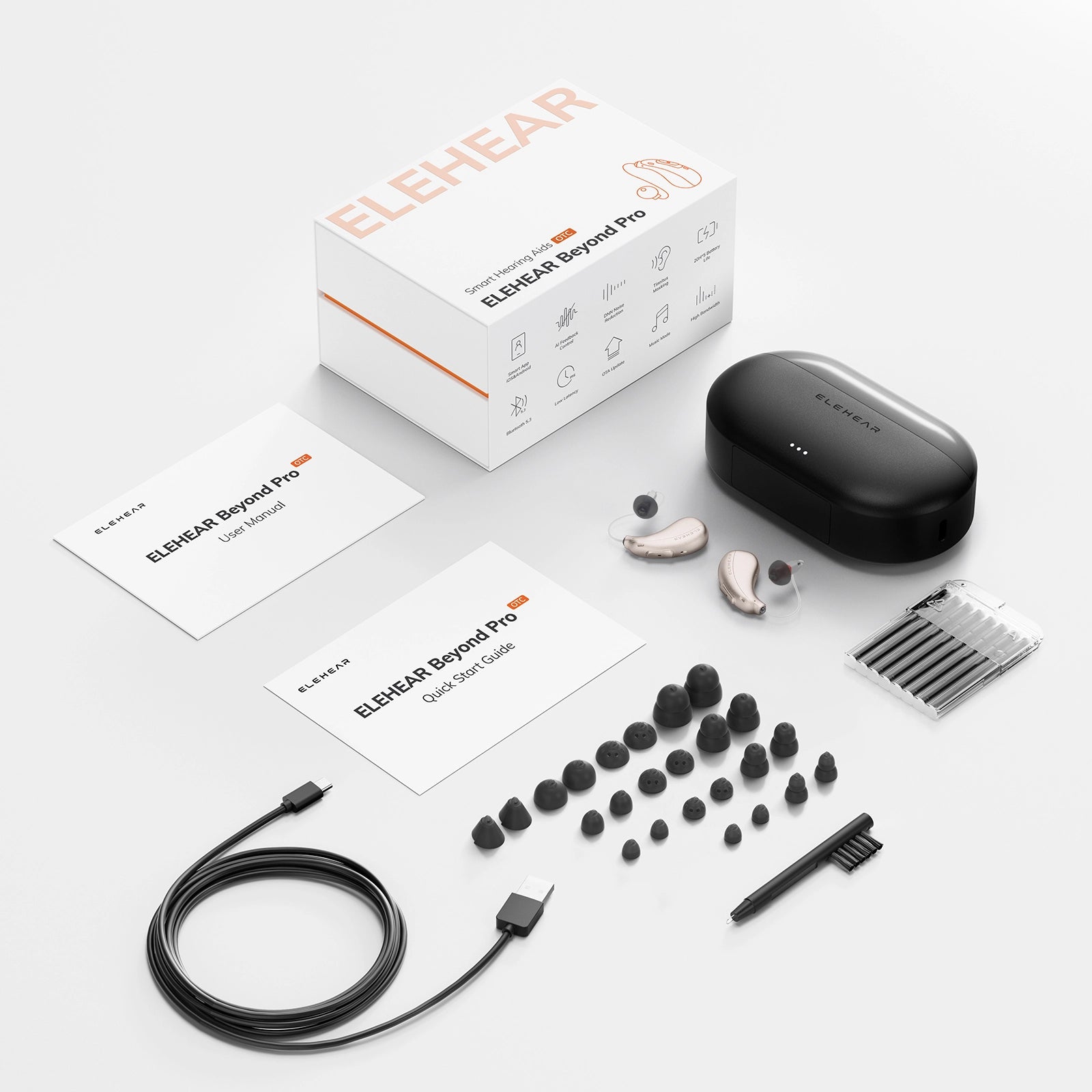
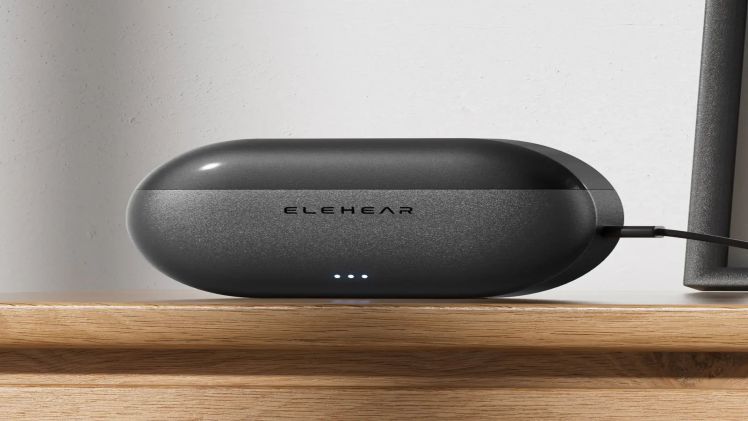
You’re sitting in a busy restaurant, leaning forward, straining to catch every word your friend says across the table. Glasses clinking, conversations overlapping, music humming in the background—it all blends into a wall of sound that makes following a single voice feel nearly impossible. For millions of hearing aid users, this scenario plays out daily, and the technology inside their devices determines whether they can cut through the chaos or simply endure it. Modern hearing aids face a fundamental engineering challenge: delivering low latency processing that filters background noise in real time while maintaining enough battery life to last from morning to night. For tech-savvy users who rely on their hearing aids for phone calls, music streaming, and video content throughout the day, this balancing act is especially critical. This article compares these two essential features—low latency and all-day battery—while exploring device compatibility, sound environment adaptation, and practical steps for choosing the right solution. The goal is straightforward: help you understand the trade-offs and make a confident, informed decision that fits your lifestyle.
Understanding Low Latency: Why It’s Crucial for Background Noise Reduction
Latency in hearing aids refers to the time delay between when sound enters the microphone and when the processed audio reaches your ear. Measured in milliseconds, this delay determines whether speech sounds natural or eerily out of sync—like watching a poorly dubbed movie. In noisy environments, low latency becomes essential because your brain relies on precise timing cues to separate a speaker’s voice from surrounding clatter. When processing delay exceeds roughly 10 milliseconds, users notice a disconnect between lip movements and heard speech, making conversation in crowded spaces significantly harder.
The technology enabling low latency centers on advanced digital signal processing chips that analyze incoming sound thousands of times per second. These processors identify speech patterns, suppress competing noise frequencies, and amplify the voice you’re trying to hear—all within a few milliseconds. For users who take phone calls throughout the day or stream podcasts and music, low latency ensures audio arrives without perceptible lag, keeping conversations fluid and entertainment enjoyable. However, this rapid-fire processing demands considerable computational power, which directly increases energy consumption. Faster chips running more complex algorithms drain batteries quicker, creating the central tension between responsiveness and endurance that defines modern hearing aid design.
How Low Latency Improves Sound Environment Adaptation
When you step from a quiet office into a bustling street, your hearing aids must recalibrate almost instantly. Low latency processing allows the device to detect environmental shifts and apply new noise-reduction profiles within milliseconds rather than seconds, preventing that jarring moment where background noise overwhelms you before the device catches up. This rapid adaptation is especially effective when paired with compatible smartphones, where the hearing aid communicates with your phone’s sensors and GPS to anticipate environment changes and pre-load appropriate settings, delivering smoother transitions between sound landscapes throughout your day.
The Importance of All-Day Battery Life for Extended Use
For users who wear hearing aids from their first morning alarm through late-evening conversations, battery life isn’t a luxury—it’s a necessity. Running out of power mid-afternoon during an important conference call or while streaming directions through your hearing aids creates more than inconvenience; it cuts you off from the world at critical moments. Tech-savvy users who rely on Bluetooth streaming for calls, music, podcasts, and video throughout the day place significantly higher demands on their devices than someone who primarily uses hearing aids for in-person conversation alone. Streaming audio directly to hearing aids can reduce battery life by 30 to 50 percent compared to standard amplification mode, making battery endurance a defining factor in daily usability.
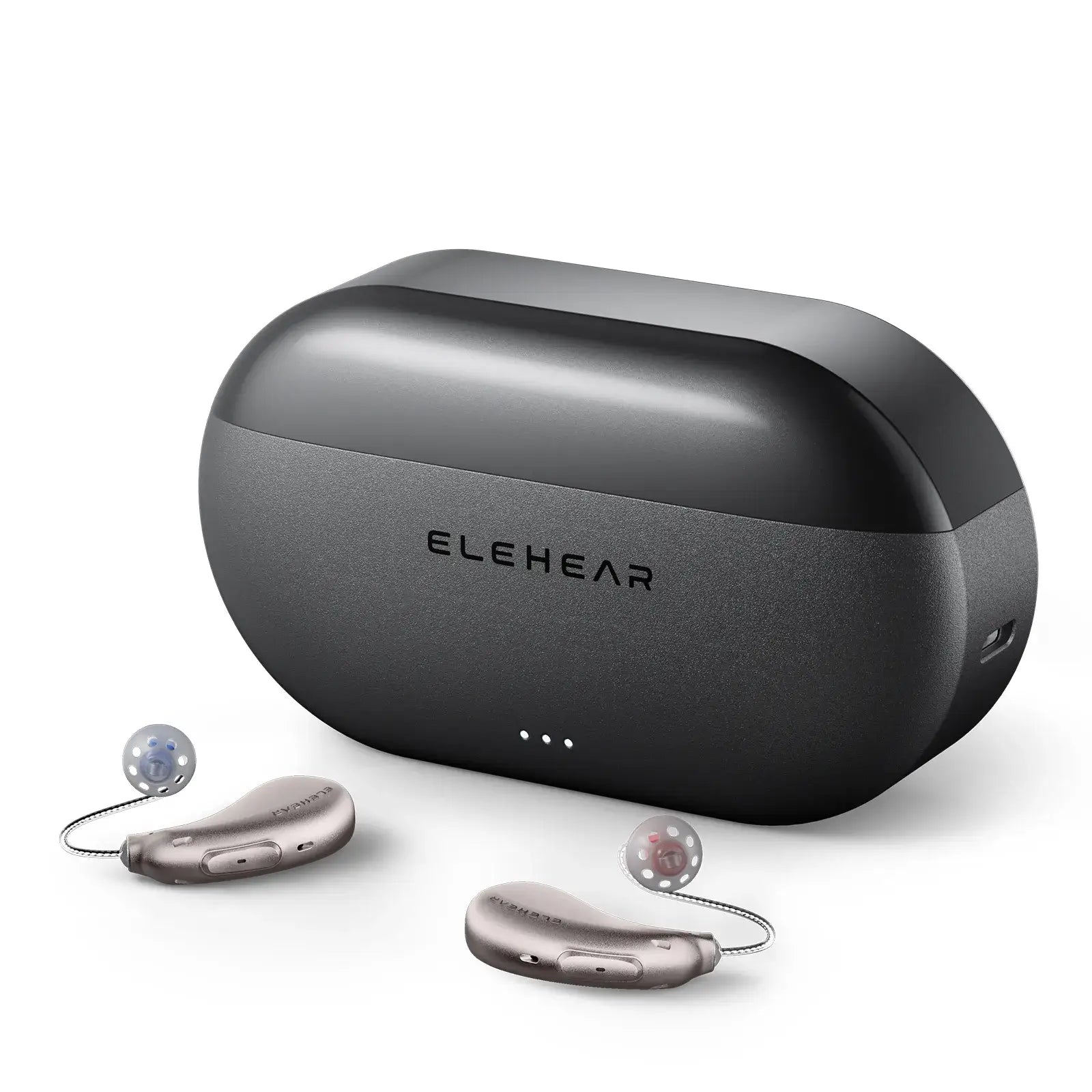
Rechargeable lithium-ion batteries have largely replaced disposable zinc-air cells in premium hearing aids, offering the convenience of overnight charging and eliminating the frustration of fumbling with tiny button batteries. Most rechargeable models promise 16 to 24 hours of use on a full charge, though heavy streaming can pull that number down to 12 hours or less. Disposable batteries still appeal to users who travel extensively or lack reliable charging access, since carrying spares is simpler than finding an outlet. The physical trade-off matters too: larger batteries extend runtime but increase device weight and visibility, while smaller batteries keep the profile discreet at the cost of shorter endurance. Finding the right balance depends entirely on how aggressively you use connectivity features throughout your day.
Battery Technology and Its Impact on Performance
Recent advances in lithium-ion chemistry and power management circuits have narrowed the gap between high-performance processing and all-day stamina. Many current-generation hearing aids incorporate adaptive power modes that scale processor intensity based on the listening environment—running full noise-reduction algorithms in a noisy café but dropping to a lighter processing load in quiet settings, conserving energy without sacrificing clarity when it matters most. Quick-charge features have also become standard in many models, delivering several hours of use from just 15 to 30 minutes of charging, providing a practical safety net for users caught with a low battery before an important event.
Device Compatibility: Ensuring Seamless Integration with iPhone and Android
The most advanced noise-reduction algorithms mean little if your hearing aids can’t communicate reliably with the devices you use every day. For tech-savvy users, seamless connectivity with smartphones is non-negotiable—whether you’re taking hands-free calls, streaming a playlist during your commute, or adjusting settings on the fly. Most modern hearing aids connect via Bluetooth Low Energy, with many supporting direct audio streaming to both iPhone and Android platforms, though the implementation varies. Apple’s Made for iPhone protocol has long offered stable, low-latency streaming, while Android compatibility through the Audio Streaming for Hearing Aids standard has matured significantly, bringing near-parity in connection quality and reliability across both ecosystems.
When evaluating compatibility, look beyond basic pairing. Multi-device connectivity lets you switch between your phone, laptop, and tablet without manually disconnecting and reconnecting each time—a critical convenience for users who move between calls on their phone and video meetings on a computer throughout the workday. Proprietary companion apps from hearing aid manufacturers serve as command centers, offering volume adjustment, program switching, and real-time sound customization directly from your phone screen. Some apps also provide battery monitoring, firmware updates, and remote audiologist adjustments, reducing the need for in-office visits. The strength of this smartphone integration directly affects how well your hearing aids adapt to background noise, since app-driven controls give you manual override when automatic algorithms need a nudge in challenging acoustic situations.
Optimizing for Different Sound Environments with Compatible Apps
Companion apps transform your smartphone into a personalized sound controller. Most offer environment-specific presets—restaurant mode that narrows directional focus, outdoor settings that reduce wind interference, or music programs that prioritize full-frequency richness over speech enhancement. Beyond presets, many apps let you fine-tune treble, bass, and noise-reduction intensity for specific locations, saving custom profiles that activate automatically through GPS tagging. Brands like ELEHEAR have embraced this app-driven approach, enabling users to shape their listening experience based on where they are and what they need to hear, bridging the gap between algorithmic processing and real-world unpredictability.
Practical Solutions: Steps to Choose the Best Hearing Aids for Background Noise
Choosing the best hearing aids for background noise that also fit your connected lifestyle requires a systematic approach. Rather than relying on marketing claims alone, work through these steps to identify the device that genuinely matches your daily demands.
Start by assessing your personal usage patterns honestly. Track a typical week and note how many hours you spend streaming calls, listening to music or podcasts, watching video content, and navigating noisy environments like restaurants, open offices, or public transit. If your day involves three or more hours of Bluetooth streaming plus frequent exposure to challenging acoustic settings, you need a device that delivers strong performance on both latency and battery—not one that excels at only a single metric. Users whose streaming is lighter can afford to prioritize aggressive noise reduction without worrying as much about power drain.
Next, prioritize features based on which pain points affect you most. If you frequently lose track of conversations in group settings or noisy venues, low latency processing with advanced directional microphones should top your list. If you’ve experienced your hearing aids dying before your day ends—especially during travel or long workdays—battery endurance and quick-charge capability deserve higher weight. For many tech-savvy users, the answer lies in devices that offer adaptive power management, scaling processing intensity to match the environment so neither feature is permanently sacrificed for the other.
Test compatibility with your specific devices before purchasing. Bring your iPhone or Android phone to your audiologist appointment and pair it with any hearing aid you’re considering. Stream a phone call, play music, and switch between your phone and a secondary device like a laptop. Pay attention to connection stability, audio lag during video playback, and how smoothly the hearing aid transitions between devices. Minor connectivity hiccups during a demo often become major frustrations over months of daily use.
Evaluate sound environment adaptation through real-world trials rather than controlled office demonstrations. Most manufacturers and audiologists offer trial periods ranging from 30 to 60 days. Use this time deliberately—wear the devices in your most challenging listening situations, test them during long streaming sessions, and note whether automatic environment detection responds quickly enough or whether you need to intervene manually through the companion app. Keep a brief daily log of situations where the hearing aids performed well and where they fell short.
Consider your battery life requirements in concrete terms. Calculate whether a device rated for 16 hours of mixed use actually covers your longest days, factoring in streaming time that accelerates drain. If your schedule regularly extends beyond the device’s realistic runtime, look for models with rapid charging that can deliver a meaningful boost during a short midday break. Finally, consult user reviews from people with similar lifestyles and seek expert recommendations from audiologists who understand connected technology. An audiologist experienced with tech-forward patients can steer you toward devices with proven real-world performance rather than impressive-sounding specifications that don’t hold up outside the lab.
Key Features Checklist for Tech-Savvy Users
When comparing models, verify these specifics: processing latency under 10 milliseconds for natural sound during calls and video, battery runtime that covers your full day including streaming hours, Bluetooth Low Energy support with direct audio streaming for both iPhone and Android, multi-device pairing for seamless switching between phone and computer, a companion app offering environment presets and manual fine-tuning with GPS-based automation, adaptive power modes that conserve energy in quiet settings, and quick-charge capability delivering at least three hours of use from a 15-minute charge. This combination ensures your hearing aids keep pace with both demanding acoustic environments and a heavily connected daily routine.
Balancing Latency, Battery, and Connectivity for Your Ideal Hearing Aid
The choice between low latency processing and all-day battery life isn’t truly binary—it’s about understanding where your priorities lie and finding devices that manage both demands intelligently. Low latency ensures that background noise reduction happens fast enough to keep conversations natural, phone calls fluid, and streamed content perfectly synced, which matters enormously in the noisy environments where hearing aids prove their worth. All-day battery life guarantees that these capabilities remain available from your first interaction of the morning through your last evening activity, without the anxiety of unexpected shutdowns during critical moments. Device compatibility with iPhone and Android ties everything together, giving you real-time control over sound environments and the flexibility to move between connected devices seamlessly throughout your day.
Apply the practical steps outlined here—assess your usage honestly, test devices in real-world conditions, and leverage trial periods to validate performance before committing. As processing chips grow more efficient and battery chemistry continues advancing, the gap between responsiveness and endurance will keep shrinking. The technology is moving in your favor. By making an informed choice today based on your actual lifestyle rather than spec sheets alone, you position yourself to hear clearly in any environment without compromise, staying connected and confident wherever your day takes you.