How to Select the Perfect Deep Sauté Pan for Your Kitchen

Every home cook knows the frustration of reaching for a pan that just doesn’t deliver. Maybe the sides are too shallow, sending sauce splashing across the stovetop. Perhaps the heat distribution is uneven, leaving you with burnt spots and undercooked patches. Or worse, the coating starts peeling after just a few months of use. These everyday annoyances add up, turning what should be an enjoyable cooking experience into a battle with subpar equipment.
Understanding the Deep Sauté Pan: More Than Just a Frying Pan
A deep sauté pan features a wide, flat bottom paired with straight sides that typically rise three to four inches—significantly taller than a standard frying pan’s sloped, shallow walls. This design distinction isn’t merely cosmetic; it fundamentally changes what you can accomplish at the stove. While a frying pan excels at quick tasks like flipping eggs or crisping bacon, its low profile limits liquid capacity and encourages splatter when you’re working with sauces or oils.
The deep sauté pan solves these limitations by containing ingredients within its tall walls while still providing ample surface area for browning. You can sear a batch of chicken pieces, deglaze with wine, add aromatics and broth, then cover and braise—all without switching vessels. It handles stir-frying vegetables with enough room to toss without spillage, reduces pasta in a cream sauce without the liquid climbing over the edges, and even shallow-fries cutlets with less mess and greater safety. For home cooks tired of juggling multiple pots and pans for a single recipe, the deep sauté pan consolidates tasks into one reliable tool. Its multi-functionality means fewer dishes to wash, less cabinet space consumed, and more confidence that whatever technique a recipe demands, you have the right equipment already in hand.
Essential Features to Evaluate in Your Deep Sauté Pan
Selecting the right deep sauté pan requires looking beyond brand names and price tags. The features built into the pan determine how it performs on your stove, how long it lasts in your kitchen, and how comfortably it fits into your daily cooking routine. Three core areas deserve your attention before you commit to a purchase: the materials used in construction, the physical dimensions and handle design, and how well the pan works with your specific cooktop. Getting these fundamentals right means the difference between a pan you reach for every evening and one that collects dust in the back of a cabinet.
Material and Construction for Longevity
Stainless steel pans with an aluminum or copper core offer the best balance of durability and heat distribution—they resist warping, won’t react with acidic ingredients, and develop no coating that can degrade over time. Fully clad construction, where layers extend across the entire pan rather than just the base, eliminates hot spots that cause uneven cooking. Hard-anodized aluminum provides excellent heat responsiveness at a lighter weight, though it requires more careful handling. Non-stick options work well for low-fat cooking but have a limited lifespan regardless of quality. For a tool you want to rely on for years, prioritize construction that can withstand daily use, metal utensils, and high-heat techniques without deteriorating.
Size, Depth, and Handle Design
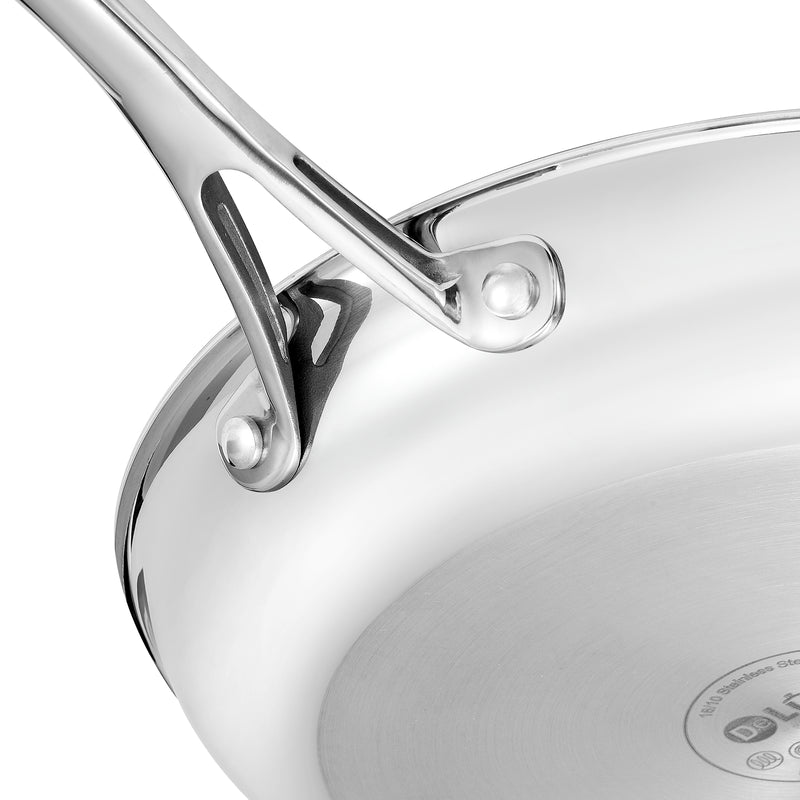
For most households cooking two to four servings, a pan measuring between three and five quarts hits the sweet spot—large enough to brown a full pound of protein without crowding, yet manageable enough for weeknight vegetable sautés. Depth should allow at least three inches of interior space to contain liquids and tossed ingredients comfortably. Handle design matters more than many cooks realize: look for a long primary handle that stays cool on the stovetop, riveted securely rather than welded or screwed on. A helper handle on the opposite side makes lifting a loaded pan safer and easier, especially when transferring from stovetop to oven.
Compatibility with Cooktops and Maintenance
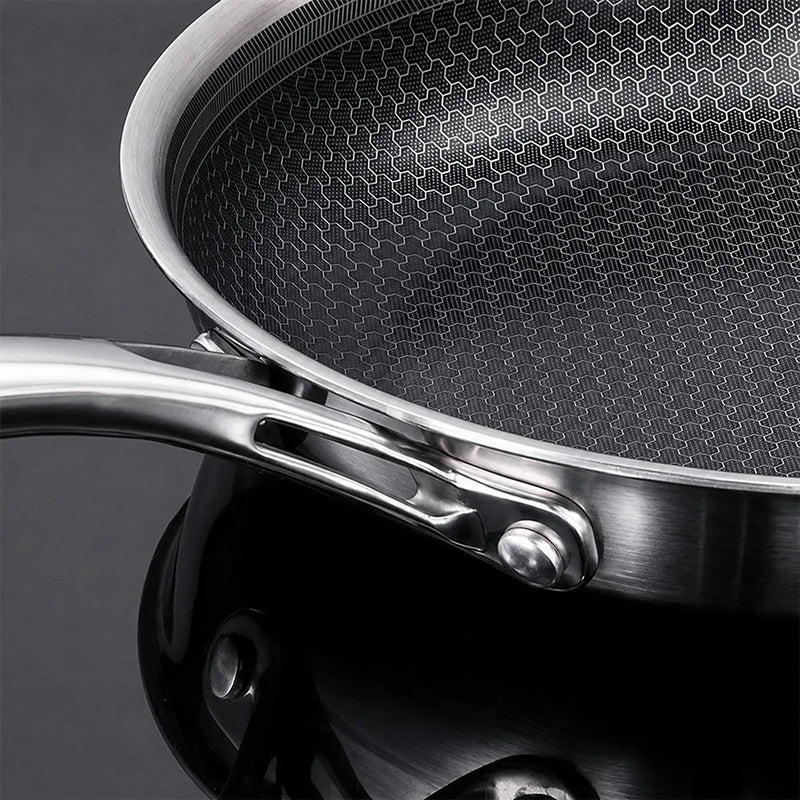
If you cook on induction, verify that the pan contains a magnetic stainless steel layer on its base—not all aluminum or copper-core pans work on induction surfaces. Gas and electric stoves are more forgiving, but a flat, heavy base prevents wobbling on glass-top ranges and ensures full contact with electric coils. For maintenance, consider how much effort you’re willing to invest: stainless steel may require Bar Keeper’s Friend to remove discoloration but lasts indefinitely, while non-stick demands gentle hand washing and plastic utensils. Choose a pan whose care routine matches your lifestyle so maintenance never becomes a reason to avoid using it.
Why a Lifetime Warranty Matters for Home Cooks
A lifetime warranty isn’t just a marketing badge—it’s a manufacturer’s declaration that they stand behind their product’s construction and materials for as long as you own it. For home cooks who use their deep sauté pan daily, this commitment translates directly into peace of mind. You’re not gambling on whether the pan will hold up after two years of regular searing, deglazing, and oven use. Instead, you’re investing in a tool backed by a promise that defects in craftsmanship will be addressed without additional cost to you.
This matters especially when you consider the cumulative expense of replacing cheaper cookware every few years. A pan without warranty protection might save you money upfront, but when the handle loosens, the base warps from thermal stress, or the cladding separates, you’re back at square one—spending again and disrupting your kitchen routine. A lifetime warranty effectively removes that cycle, making your initial purchase the only one you need to make.
However, not all warranties offer the same coverage. Read the fine print carefully before assuming you’re fully protected. Look for warranties that cover manufacturing defects including warping, delamination, and handle failure under normal household use. Be aware of exclusions—most warranties won’t cover damage from misuse like overheating an empty pan, dishwasher damage to specific finishes, or normal cosmetic wear such as scratching on stainless steel surfaces. Some brands require registration within a specific window, while others activate automatically at purchase. The strongest warranties come from companies with straightforward claims processes: clear instructions, responsive customer service, and replacement rather than repair when a product fails. Brands like Deluxe Cookware, which offer transparent lifetime warranty terms backed by established reputations, exemplify the kind of confidence in construction that home cooks should look for when making their decision.
Smart Shopping: Leveraging Free Shipping and 30-Day Returns
Finding the right deep sauté pan is only half the equation—how you buy it matters just as much. Free shipping eliminates the hidden costs that can inflate your total, especially on heavier cookware items where shipping fees might add a significant percentage to the purchase price. Many reputable cookware brands and retailers offer free shipping on orders above a certain threshold or on specific product lines, making it worthwhile to check multiple sources before clicking “buy.” This small detail can mean the difference between staying within budget and overspending on what should be a straightforward purchase.
A 30-day return policy addresses the reality that no amount of online research fully replaces hands-on experience. You need to feel the weight of the pan in your hand, test how the handle balances when loaded with food, and confirm it sits flat on your specific burner. A generous return window gives you permission to cook with the pan for several meals and evaluate its real-world performance without the anxiety of being stuck with a poor fit. Before purchasing, verify the return conditions: some retailers require the item to be unused for a full refund, while others allow returns even after cooking with the pan, provided it’s cleaned and repackaged. Look for retailers that provide prepaid return labels to avoid out-of-pocket shipping costs if the pan doesn’t meet your expectations. Combining free shipping with a flexible return policy essentially creates a risk-free trial period, letting you make your decision based on actual kitchen performance rather than product photos and descriptions alone.
Step-by-Step Guide to Selecting Your Perfect Deep Sauté Pan
Start by honestly assessing your cooking habits. Think about the meals you prepare most often—do you braise regularly, stir-fry several nights a week, or frequently make one-pan dinners for a family? Your answers shape the ideal size, material, and features you need. A cook who sears meat and builds pan sauces benefits most from fully clad stainless steel, while someone focused on quick weeknight stir-fries might prioritize a lighter hard-anodized option with superior non-stick properties.
Next, set a budget that reflects value rather than the lowest price. Calculate what you’ve spent replacing cheaper pans over the past five years—that total often exceeds the cost of one well-made deep sauté pan purchased today. With that perspective, allocate your budget toward construction quality and warranty backing rather than flashy features you won’t use.
Research brands that offer lifetime warranties and have a proven track record of honoring claims. Read customer experiences specifically about the warranty process, not just initial product satisfaction. Then compare the features discussed earlier—material composition, handle security, cooktop compatibility—across your shortlisted options. Create a simple comparison noting which pans check every box for your specific kitchen setup.
Before finalizing your purchase, confirm that the retailer offers free shipping and a return policy that allows you to actually cook with the pan. This step protects you from committing to a pan that looks perfect on paper but feels wrong in practice. Once you’ve verified these conditions, make your purchase with confidence knowing you’ve built a decision on research, practical needs, and financial protection rather than impulse or marketing alone.
Invest in the Right Pan for a Lifetime of Better Cooking
Choosing the perfect deep sauté pan comes down to three pillars: selecting the right features for your cooking style, ensuring long-term durability through quality construction and warranty protection, and shopping smartly to minimize financial risk. The material and build quality determine how the pan performs night after night, while proper sizing and cooktop compatibility ensure it integrates seamlessly into your existing kitchen setup. A lifetime warranty transforms your purchase from a gamble into a lasting investment, eliminating the costly cycle of replacing inferior cookware. And by taking advantage of free shipping and flexible return policies, you give yourself the freedom to test your choice in real cooking conditions without pressure.
Now it’s time to put this knowledge into action. Assess your nightly cooking routine, establish a budget that prioritizes long-term value, and narrow your options using the criteria outlined above. Verify warranty terms, confirm shipping and return conditions, and make your purchase knowing every decision is grounded in practical research rather than guesswork. The right deep sauté pan won’t just sit in your cabinet—it will become the tool you reach for first, meal after meal, year after year.