
Understanding Beam Lights in Outdoor Lighting
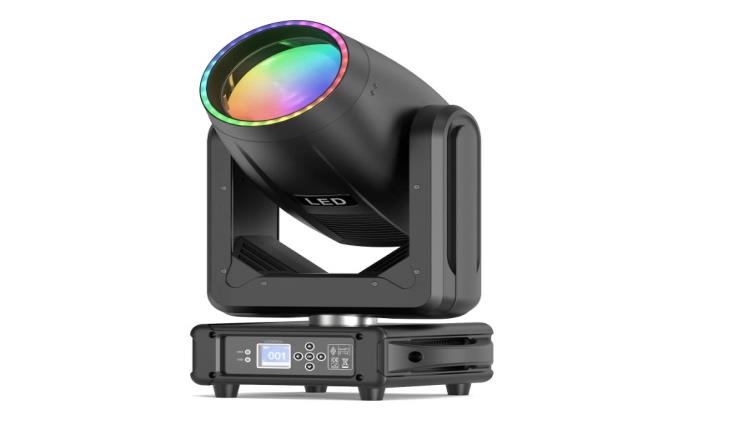
Beam lights are high-intensity fixtures designed to produce a narrow, concentrated column of light that travels great distances without significant spread. Unlike wash lights that flood an area with soft, diffused illumination, or spot lights that highlight specific objects, beam lights create that iconic beam of light in the sky effect—a sharp, defined shaft visible from miles away. Their role in outdoor lighting extends beyond mere decoration; they serve as visual anchors that define a venue’s presence in the landscape and signal to attendees that something extraordinary is happening. In stage lighting applications, beam lights add vertical dimension to what is often a horizontally oriented design, pulling the audience’s gaze upward and expanding the perceived scale of a production. For outdoor event organizers, the benefits are compelling. A single well-placed beam light can make a modest venue feel monumental, while multiple beams moving in choreographed patterns create immersive experiences that rival major concert productions. Their versatility allows deployment at festivals, product launches, sporting events, and weddings alike. The key advantage over other outdoor lighting types is their ability to cut through ambient light pollution and atmospheric haze, ensuring visibility and dramatic impact even in challenging environments.
Choosing the Right Waterproof Beam Light Options
Selecting beam lights rated for outdoor use requires more than simply picking the brightest fixture on the market. The difference between a successful event and a costly equipment failure often comes down to how well your lights handle moisture, dust, and temperature fluctuations. Start your evaluation by examining IP ratings—the industry standard for ingress protection. An IP65 rating means the fixture is fully dust-tight and protected against water jets from any direction, making it suitable for most outdoor events. For venues near coastlines or in regions with heavy rainfall, consider IP66 or IP67 rated units that withstand powerful water surges or temporary submersion. Beyond the IP rating, assess the housing material. Aluminum alloy casings resist corrosion far better than plastic alternatives, and sealed optical assemblies prevent internal condensation that degrades beam clarity over time.
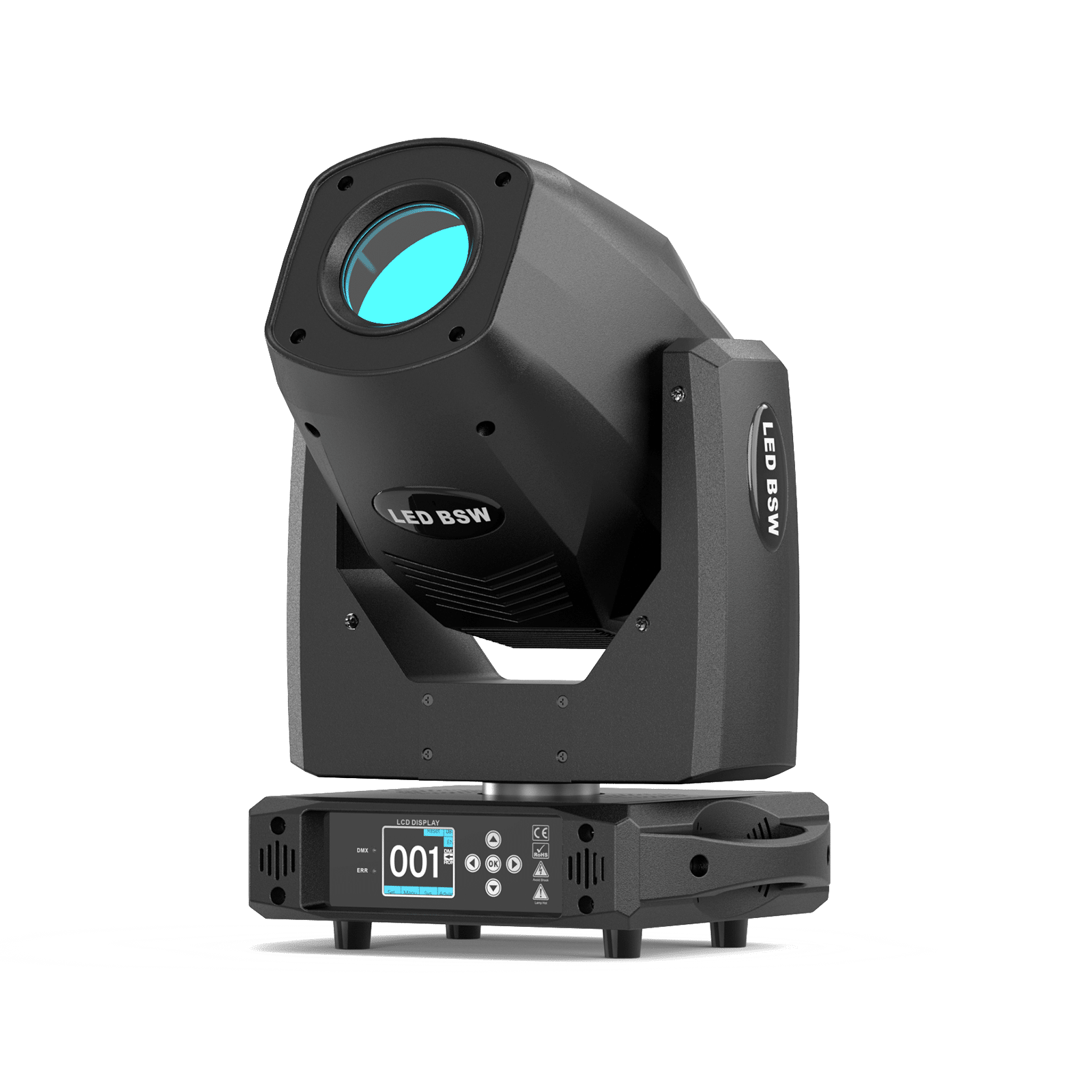
When comparing models, evaluate brightness output in lumens alongside beam angle. A tighter beam angle of 1 to 3 degrees produces that razor-sharp beam of light in the sky that remains visible at extreme distances, while fixtures offering adjustable angles between 3 and 8 degrees provide more flexibility across different event types. Lamp source matters too—modern LED and laser-hybrid beam lights generate intense output while running cooler than traditional discharge lamps, reducing thermal stress on waterproof seals during extended operation. Manufacturers like UKING offer LED beam fixtures in this category that balance high output with efficient thermal management, making them worth evaluating alongside other options in your selection process. Check the operating temperature range listed in specifications; fixtures rated for -20°C to 45°C handle everything from winter festivals to summer desert events. Finally, examine the control interface. Wireless DMX compatibility eliminates vulnerable cable connections exposed to the elements, while onboard standalone programs offer backup operation if communication links fail during storms.
Key Features to Look for in Waterproof Beam Lights
Prioritize fixtures with redundant gasket sealing systems rather than single-seal designs, as these maintain protection even if one seal degrades. Energy efficiency directly impacts your power budget—LED beam lights consuming 300 to 500 watts can match the output of older 1500-watt discharge fixtures, allowing more units on a single generator circuit. Look for tool-free access panels that let technicians perform field maintenance without compromising waterproof integrity. Remote diagnostics capability lets you monitor fixture temperature, lamp hours, and seal integrity from your control position, catching potential failures before they become emergencies during a live event.
Using Beam Lights in Different Weather Conditions
Weather remains the single greatest variable that outdoor event organizers cannot control, yet beam lights must perform flawlessly regardless of conditions. Rain actually enhances the beam of light in the sky effect—water droplets scatter light and make beams more visible to audiences—but it simultaneously threatens equipment if preparations fall short. The key is understanding how each weather condition affects both the visual output and the physical safety of your fixtures, then adapting your approach accordingly.
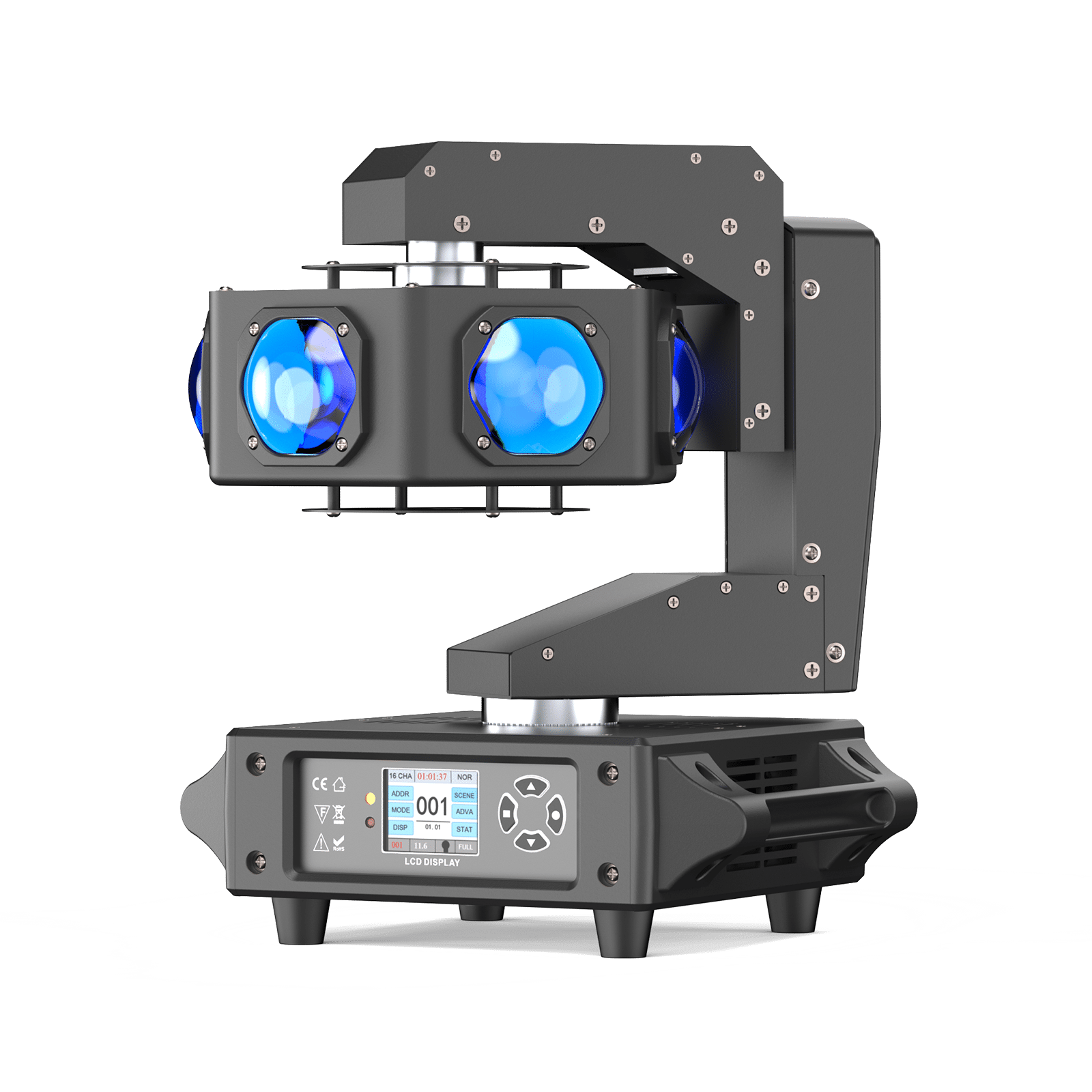
In rainy conditions, ensure all fixtures are positioned with slight downward tilts on their mounting brackets so water runs off rather than pooling around cable entry points. Even IP65-rated fixtures benefit from supplementary rain shields mounted above the unit, which reduce direct water impact on moving parts and extend gasket life across multi-day festivals. Elevate power distribution boxes on platforms or inside weatherproof enclosures, and use drip loops on every cable connection to prevent water from traveling along wires into connectors. Wind presents a different challenge entirely. Gusts exceeding 30 mph can shift beam angles on pan-tilt fixtures, creating erratic movement that undermines choreographed programming. Counteract this by increasing the friction settings on mechanical locks, using heavier-duty truss clamps, and programming tighter position tolerances in your DMX controller so fixtures actively correct for wind-induced drift. For extreme heat, schedule beam activation during evening hours only, allowing fixtures to avoid solar heat gain during the day. Position units where natural airflow assists cooling fans rather than in enclosed corners where heat accumulates.
Step-by-Step Setup for Adverse Weather
Begin 48 hours before your event by reviewing extended forecasts and identifying the worst-case scenario for your region. Secure all fixtures with secondary safety cables independent of primary mounting hardware. Apply dielectric grease to every exposed connector before attaching weatherproof boots over cable joints. Install protective covers or custom-fabricated shrouds over fixtures that will remain outdoors overnight. Test every light at full intensity for a minimum of 30 minutes while simulating rain with a garden hose—this reveals seal weaknesses before audiences arrive. Finally, designate a technician to monitor fixture diagnostics throughout the event, ready to power down individual units if internal moisture or temperature alerts trigger.
Integrating Beam Lights into Event Production
A beam of light in the sky becomes truly spectacular when it operates as part of a coordinated event production rather than functioning in isolation. The most memorable outdoor events treat beam lights as one instrument within a larger visual orchestra, where every element—from ground-level wash lights to overhead sky beams—works together to tell a cohesive story. Successful integration begins during the design phase, long before equipment arrives on site. Map your venue from above, identifying sight lines from every audience position, and determine where vertical beams will create maximum impact without blinding performers or interfering with video screens. Position fixtures at the perimeter of your venue footprint to frame the event space, or cluster them behind the main stage to create a dramatic backdrop that photographs beautifully from the audience’s perspective.
Timing transforms static beams into dynamic storytelling tools. Program beam movements to respond to musical transitions—slow, sweeping arcs during ballads that accelerate into rapid aerial patterns when energy peaks. Synchronization with bass drops or pyrotechnic cues creates moments of collective audience reaction that define an event’s highlight reel. Consider the audience journey from arrival to departure; activate beams during key moments rather than running them continuously, which preserves their dramatic impact and reduces wear on fixtures. For corporate events and grand openings, a coordinated beam reveal during a keynote moment or product unveiling creates instant spectacle that amplifies the emotional weight of the announcement. The professionalism conveyed by well-integrated beam lighting elevates audience perception of the entire event, signaling that every detail has been thoughtfully considered.
Best Practices for Stage Lighting Integration
Use a unified DMX control system to manage beam lights alongside all other stage lighting fixtures, ensuring precise synchronization across your entire rig. Assign beam lights to dedicated DMX universes to prevent signal conflicts with front-of-house fixtures. Wireless DMX transmitters eliminate long cable runs between your control position and remote beam locations, reducing trip hazards and points of weather vulnerability. Allocate dedicated power circuits for beam lights separate from audio and video systems to prevent voltage drops that cause flickering. Always conduct a full integration rehearsal combining beam programming with sound, video, and any special effects to identify timing conflicts before your audience arrives.
Mastering Outdoor Beam Lighting for Unforgettable Events
Creating a stunning beam of light in the sky effect at outdoor events is entirely achievable when you approach the challenge with proper preparation and the right equipment. The foundation starts with selecting waterproof beam lights that carry appropriate IP ratings, durable housing, and reliable sealing systems capable of withstanding whatever conditions your venue presents. From there, adapting your setup to specific weather scenarios—whether rain, wind, or extreme temperatures—ensures that your investment performs safely and consistently throughout the event. Finally, integrating beam lights into your broader event production through unified control systems, thoughtful placement, and synchronized programming transforms individual fixtures into a cohesive visual experience that captivates audiences. These practical steps directly address the core challenges outdoor event organizers face: equipment reliability, weather unpredictability, and the complexity of professional-grade lighting design. Apply the guidance outlined here during your next planning phase, test thoroughly before guests arrive, and trust that preparation eliminates most surprises. When executed well, beam lights do more than illuminate—they create defining moments that elevate your event from ordinary to unforgettable, leaving lasting impressions that extend your brand’s reach far beyond the venue itself.