
The Appeal Runs Deeper Than Nostalgia
Many people first assume this is a nostalgia trade—adults reclaiming a piece of childhood. That is a small part of it, but the deeper reason is that building block guns hit an unusual sweet spot between craftsmanship and accessibility. Unlike resin kits, you do not need paint booths, primer, or an airbrush setup. Unlike die-cast, you actually assemble the piece yourself, which means every finished model carries a small sense of ownership. And unlike wooden model kits, mistakes are reversible: a bad step just gets unclicked and redone. That combination lowers the barrier to entry without lowering the ceiling of what an experienced hobbyist can accomplish.
Tactile Satisfaction Without Chemical Fumes
Sitting at a kitchen table with a coffee, sorting pieces into trays, is a fundamentally different experience from working in a well-ventilated hobby room with solvents. Builders talk about the rhythm of it—the quiet click, the visible progress every ten minutes, the way an hour disappears without noticing. For adults with limited hobby space at home, the format simply fits into a life that already has furniture, roommates, or small children who cannot be around paints.
Who Is Actually Buying These Sets
The buyer profile is broader than the marketing suggests. Yes, there are collectors who chase historical accuracy and line up finished pieces chronologically on their shelves. But there are also tabletop gamers using the models as terrain-scale props, streamers who build on camera, parents assembling alongside teenagers as a shared project, and professionals in high-stress jobs who describe the hobby as a form of low-cost decompression. The one trait most buyers share is a preference for finishing what they start—these are people who like the arc from box to display piece.
Communities That Formed Around the Format
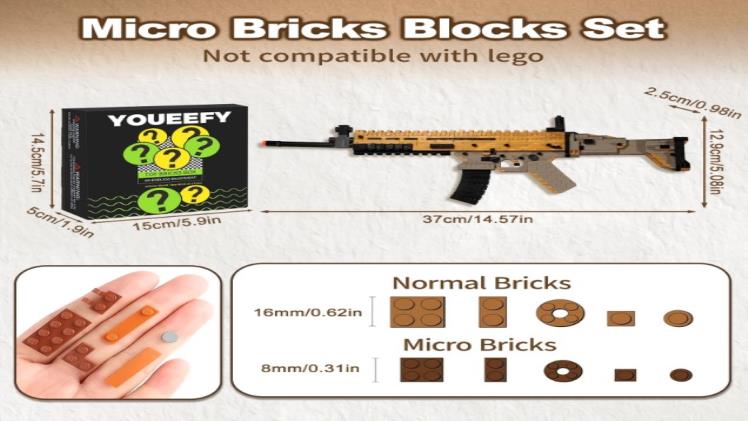
Online communities have grown up quickly around the hobby. Builders trade photos of finished work, post tips on how to tighten loose sub-assemblies, and organize regional meet-ups where dozens of models sit on shared display tables. YOUEEFY sets appear frequently in these community threads because the piece count and instruction clarity make them accessible for newcomers who want to participate without buying a top-tier set for their first project.
Comparing the Format to Other Replica Types
To understand the pull, it helps to lay the alternatives side by side. Airsoft platforms are functional and feel realistic, but they carry storage and legal considerations that not every household can accommodate. Die-cast models look sharp on a shelf but arrive pre-assembled, which cuts out the entire building experience. Resin kits reward advanced skills but demand time, chemicals, and a dedicated workspace. Wooden replicas are gorgeous but expensive and unforgiving of mistakes. Brick-built models slot cleanly between all of them: you get the assembly experience, the shelf presence, and the ability to correct errors without penalty.
The Modularity Advantage
Modular design is another quiet advantage. Once you have built a couple of sets, spare pieces accumulate, and creative builders start swapping stocks, changing grip textures, or building custom accessories that were not in any original box. That kind of after-the-fact customization is rare in other replica formats, and it extends the hobby well past the moment the instructions end.
What the Category Looks Like a Year From Now
The trend line is clear enough to make some predictions. Set complexity is climbing—kits with functional charging systems, working magazine releases, and removable optics are appearing at price points that would have been unimaginable a few years ago. Instruction quality is improving as manufacturers respond to online reviews. Community-built modification guides are becoming standard reading before any serious project. All of this pushes the category further into the adult hobby mainstream, which in turn attracts more experienced designers who want to work in the format.
What to Try First If You Are New
If you are considering your first build, start with a mid-complexity set rather than the biggest one on the shelf. You want a project that teaches technique without exhausting your patience. Read the community reviews before purchase, and pick a subject you actually want to look at every day—one you would happily display, not one you bought only because it looked impressive on the box. Set aside a couple of quiet evenings rather than trying to finish in one sitting. Sort pieces into trays before you start, follow the sequence exactly the first time through, and resist the urge to skip ahead when a section looks obvious.
These small habits are what turn a first build into a first success rather than a first frustration, and they are the reason the format keeps gaining new converts every month.
A Format That Earned Its Adult Audience
The pull of brick-built firearm replicas turns out to be less about nostalgia and more about a specific fit: enough craftsmanship to feel worthwhile, enough forgiveness to stay fun, enough shelf presence to justify the time. That combination is genuinely rare across hobby categories, and it explains why builders who once dismissed the format as childish now spend hours comparing receiver profiles online. If the hobby has been on your radar, the honest recommendation is to buy one mid-tier set, block off two evenings, and see how the process feels in your own hands. Most people who try it once come back for a second build within a few months, and the shelf slowly fills from there.