
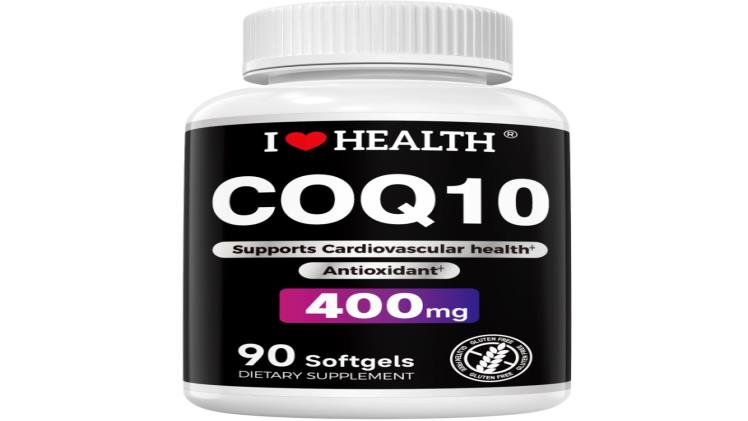
What CoQ10 Actually Does Inside Every Cell
Every heartbeat, breath, and muscle contraction depends on adenosine triphosphate, or ATP, the currency your cells use for energy. CoQ10 is the shuttle that carries electrons through the mitochondrial chain that produces ATP, meaning it is not a nice-to-have nutrient but a load-bearing part of your daily output. The heart, being the most metabolically active organ in the body, holds the highest concentration and feels shortages first.
Beyond energy production, CoQ10 acts as a lipid-soluble antioxidant, defending cell membranes and low-density lipoprotein particles from oxidative damage. This double role explains why a well-absorbed CoQ10 supplement can support both cardiovascular resilience and steady stamina. Rather than acting as a stimulant, it strengthens the underlying machinery so the body can meet daily demand without borrowing against tomorrow.
Why Levels Drop Faster Than Most People Realize
Aging is the obvious culprit, but it is not the only one. Statin medications inhibit the same biochemical pathway that produces cholesterol and CoQ10, which is why many cardiologists suggest supplementation alongside long-term statin use. Intense endurance training accelerates turnover, chronic stress raises oxidative demand, and certain medical conditions increase requirements further. Sleep deprivation and diets low in organ meats, fatty fish, and whole grains chip away at natural intake as well, leaving many adults quietly depleted without realizing it.
Ubiquinone vs Ubiquinol: Picking the Right Form
CoQ10 exists in two functional states. Ubiquinone is the oxidized form and the one that has powered decades of clinical research. It is stable, cost-effective, and converts efficiently to its active partner inside the body when digestion is healthy. Ubiquinol is the pre-reduced form, absorbed more directly and generally recommended for adults over sixty or anyone with impaired absorption. For most healthy adults under fifty, ubiquinone paired with a fat-containing meal delivers strong results and better value.
Absorption Tips That Change Outcomes
CoQ10 is fat-soluble, so taking it with breakfast or lunch alongside eggs, avocado, olive oil, or fatty fish dramatically improves bioavailability. Softgel formats generally outperform dry powder capsules because the nutrient arrives pre-dissolved in a carrier oil. Splitting higher doses across two meals maintains steadier blood levels than a single large evening dose. Because CoQ10 has mild energizing effects for some users, morning or midday dosing tends to feel better than late-evening intake.
Building CoQ10 Into a Real Daily Routine
Consistency beats intensity when it comes to any long-term nutrient. Tie your dose to a meal you never skip, whether that is oatmeal with almond butter in the morning or a midday salad topped with olive oil. Keep the bottle in a cool, dry place and avoid storing it above the stove or on a sunny windowsill, since heat and light degrade the compound faster than most people expect.
Pair the supplement with lifestyle habits that support the same mitochondrial machinery. Regular zone-two cardio, like brisk walking or steady cycling three to four times a week, builds mitochondrial density so the CoQ10 you take has more sites to work in. Resistance training preserves lean muscle, which is the largest sink of daily energy demand. Prioritize seven to nine hours of sleep, since mitochondrial repair happens overnight, and a supplement cannot outrun chronic short sleep.
What Realistic Progress Looks Like
Unlike caffeine, CoQ10 works quietly. Most people describe steadier midafternoon energy, faster recovery after workouts, and fewer episodes of that heavy, foggy fatigue that shows up after long meetings or hard training weeks. Cardiovascular benefits, such as improved exercise tolerance and gentler support for blood pressure already within normal ranges, typically appear over eight to twelve weeks of consistent use. Track how you feel across full weeks, not single days, and note recovery quality after workouts as a useful signal.
Who Gains the Most From Consistent Use
Adults on statin therapy often experience noticeable improvement in muscle comfort and daily energy within the first month, since CoQ10 replenishment directly addresses a documented side effect of the medication. People over fifty who feel their stamina slipping despite unchanged routines frequently find their baseline lifts back toward where it used to sit. Endurance athletes in high-volume training blocks benefit from supporting the very system that fuels their sport, particularly during heat, altitude, or heavy competition schedules.
Personalization matters. Pregnant or nursing women should consult a physician before starting, and anyone taking blood thinners should mention CoQ10 use to their prescriber, since it can subtly interact with warfarin. Brands that publish independent testing and clearly state whether the softgel uses soy-based or non-soy carrier oil, such as iLoveHealth, make it easier to match the product to individual dietary needs rather than guessing from vague marketing claims.
Powering the Heart and the Everyday Rhythm
CoQ10 is not a shortcut to energy but a foundation for it. When you top up what age, medication, and demanding routines pull away, the payoff shows up in steadier stamina, sharper focus during long workdays, and a cardiovascular system better equipped to handle whatever the week throws at it. Choose a form suited to your age and absorption capacity, take it with a fat-containing meal, and give the routine at least two to three months to reveal its full effect. Layered with regular movement, quality sleep, and a diet rich in whole foods, a thoughtful CoQ10 supplement becomes a quiet but reliable partner in keeping the heart strong and the days feeling less like a slog.