

Hair loss is a common problem that many people experience, but one important question remains: “Which vitamin deficiency causes hair loss?” A lack of essential vitamins in the body is one of the factors that can contribute to this issue, especially when following a diet that lacks variety. Vitamin deficiencies can weaken hair strands and make them more prone to shedding.
However, there are ways to restore stronger, healthier hair. Simple steps include improving your diet and taking suitable vitamin supplements to support better hair health.
Is Hair Loss Caused Only by Vitamin Deficiency? What Are the Causes?
Vitamin deficiencies can contribute to hair loss, but they are not the only cause. Other factors can also affect hair health and lead to excessive shedding. The main causes of hair loss include:
Vitamin Deficiency
A deficiency in essential vitamins and minerals that support hair growth, such as B vitamins and vitamin C, can weaken hair strands, increase hair shedding, and contribute to thinning hair.
Genetics
Genetics is one of the main causes of hair loss and thinning hair, especially among people with a family history of hair thinning or baldness. This genetic factor can cause hair follicles to gradually weaken, resulting in thinner hair strands and increased hair shedding as people age.
Stress
Accumulated physical and emotional stress can affect the hair growth cycle, causing hair to enter the shedding phase earlier than normal. This may result in noticeable increased hair loss over a short period. In many cases, the condition gradually improves once stress is managed and adequate rest is achieved.
Hormones
Changes in hormone levels can directly affect the hair growth cycle, causing hair follicles to weaken and enter the shedding phase more quickly. This is especially common during periods of hormonal changes, such as menopause, postpartum, or conditions involving hormonal imbalance, which can lead to temporary increased hair loss.
Essential Vitamins for Healthy Hair
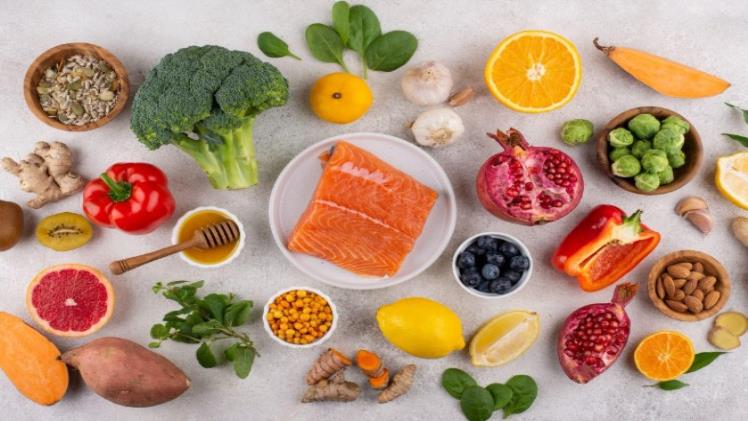
Vitamins are essential nutrients that provide various benefits to the body, and getting enough vitamins can also contribute to healthier hair. The key vitamins that help support hair growth and strength include:
Vitamin A
Vitamin A plays an important role in maintaining a healthy scalp and supporting balanced oil production. It helps keep hair follicles moisturized, reduces dryness and brittleness, and strengthens hair strands, which may help minimize hair breakage and shedding.
Vitamin B
Vitamin B, especially the B-complex vitamins, plays an important role in nourishing hair follicles and supporting blood circulation in the scalp. This helps deliver essential nutrients to the hair, promoting stronger strands, reducing breakage and shedding, and improving overall hair thickness and health.
Vitamin C
Vitamin C is an antioxidant that helps protect hair follicle cells from damage. It also supports collagen production, which is an essential component of hair structure. This helps strengthen hair, prevent brittleness, and reduce hair loss caused by weakened hair strands.
Signs of Hair Loss Caused by Vitamin Deficiency
When the body lacks essential vitamins, noticeable hair loss symptoms may occur, indicating a possible nutritional deficiency. One common sign is hair thinning, which may suggest that the hair is not receiving adequate nutrients. Studies have shown that people who receive essential nutrients, such as B vitamins and zinc, tend to have stronger hair compared to those with deficiencies.
Another possible symptom is a dry scalp, which can also be linked to vitamin deficiency. If the scalp becomes dry along with increased hair shedding, it may indicate that the body lacks nutrients needed for healthy hair growth. Therefore, consulting a doctor for proper evaluation and identifying the underlying cause is important.
How to Restore Vitamins for Healthier Hair
Restoring hair affected by vitamin deficiency can begin with improving your nutrition. Choose foods rich in hair-supporting nutrients, such as vitamin A, vitamin B, and zinc, to help strengthen hair follicles and promote healthier hair growth.
In addition, using hair care products that contain beneficial nutrients and vitamins can help nourish and restore weakened hair. Examples include shampoos with natural extracts that support stronger and healthier-looking hair.
Precautions When Choosing Hair Vitamins
There are several factors to consider when choosing vitamins for hair care. Selecting high-quality products is essential, as unverified supplements may contain excessive or harmful ingredients that could negatively affect your health and hair condition.
It is also recommended to consult a specialist at a reputable hair transplant clinic bangkok before taking vitamin supplements to ensure that the type and dosage are appropriate for your body’s needs. Choosing the right vitamins carefully can directly support better hair health and help prevent potential risks.
Conclusion
Vitamin deficiency is one of the key factors that can contribute to hair loss. The most common deficiencies related to hair health are vitamin B, which helps strengthen hair, and vitamin C, which supports repair processes and promotes healthy blood circulation.
Maintaining strong and healthy hair requires providing the body with essential nutrients through a balanced diet and adequate vitamin intake. In addition, using hair care products containing natural extracts can help nourish and restore damaged hair effectively.
When choosing hair supplements, it is important to check product quality and consult a doctor to avoid potential risks to hair and overall health. Understanding which vitamin deficiency causes hair loss can help you improve your hair care routine in a way that suits your body’s needs, allowing your hair to become stronger and healthier every day.