Traditional workshop lighting typically means fluorescent tubes or incandescent bulbs bolted to the ceiling, and while these fixtures provide general ambient light, they come with significant drawbacks that compound in smaller spaces. Fixed installations require permanent mounting, electrical wiring, and often professional help to set up correctly. Once installed, they illuminate from a single direction, casting harsh shadows beneath shelves, inside cabinets, and under the very workpieces you need to see clearly. Energy consumption is another persistent problem. Older fluorescent and halogen fixtures draw substantial wattage, and in a workshop where lights run for hours during a weekend project, electricity costs add up quickly. Heat generation compounds the issue further—halogen work lamps can become dangerously hot to the touch, raising ambient temperatures in already stuffy garages and basements while posing a fire risk near sawdust and solvents. Perhaps most critically, traditional workshop lighting offers almost no flexibility. You cannot easily reposition a hardwired ceiling fixture to follow your work from the table saw to the assembly bench. For homeowners working in tight, multipurpose spaces, this rigidity means constantly battling poor visibility rather than focusing on the task at hand.
Key Advantages of Portable LED Work Lights
Superior Energy Efficiency and Cost Savings
LED technology consumes a fraction of the electricity that traditional halogen or fluorescent fixtures require to produce equivalent light output. A portable LED work light delivering the same brightness as a 500-watt halogen lamp typically draws only 50 to 80 watts, translating directly into lower electricity bills over months of regular workshop use. For homeowners who spend weekends tackling projects, this efficiency means running lights for extended sessions without worrying about energy costs spiraling upward. Beyond the financial savings, reduced power consumption means less strain on household circuits—a genuine concern in older homes where garages and basements often share limited electrical capacity. The environmental footprint shrinks as well, since lower energy demand means fewer carbon emissions from power generation, making LED work lights a practical choice for environmentally conscious homeowners.
Unmatched Portability and Flexibility
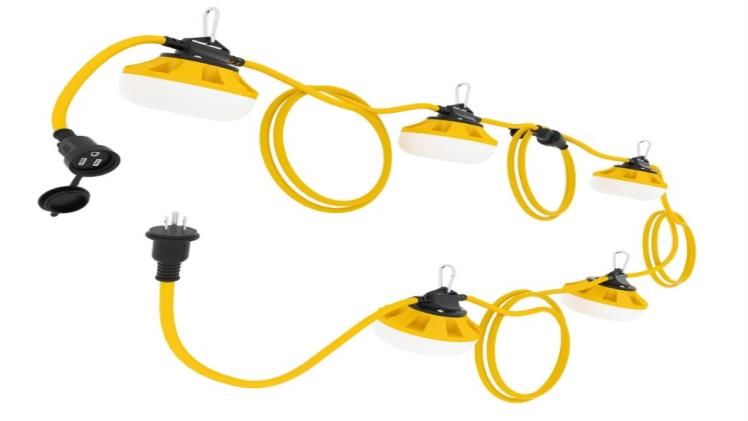
The defining advantage of portable LED work lights is their ability to go wherever the job takes you. Unlike hardwired fixtures locked into a single position, these lights move from your workbench to the underside of a car, from the garage to the backyard deck project, without any rewiring or mounting hardware. Many models operate on rechargeable batteries, eliminating cord tangles and the need for nearby outlets entirely. This freedom is transformative for homeowners who lack dedicated workshop space and instead work across multiple areas of their property. Magnetic bases, adjustable hooks, and foldable stands let you position light at virtually any angle, ensuring visibility regardless of the task. Setup takes seconds rather than hours, which is exactly what homeowners need when time is limited and projects are waiting.
Enhanced Brightness and Light Quality
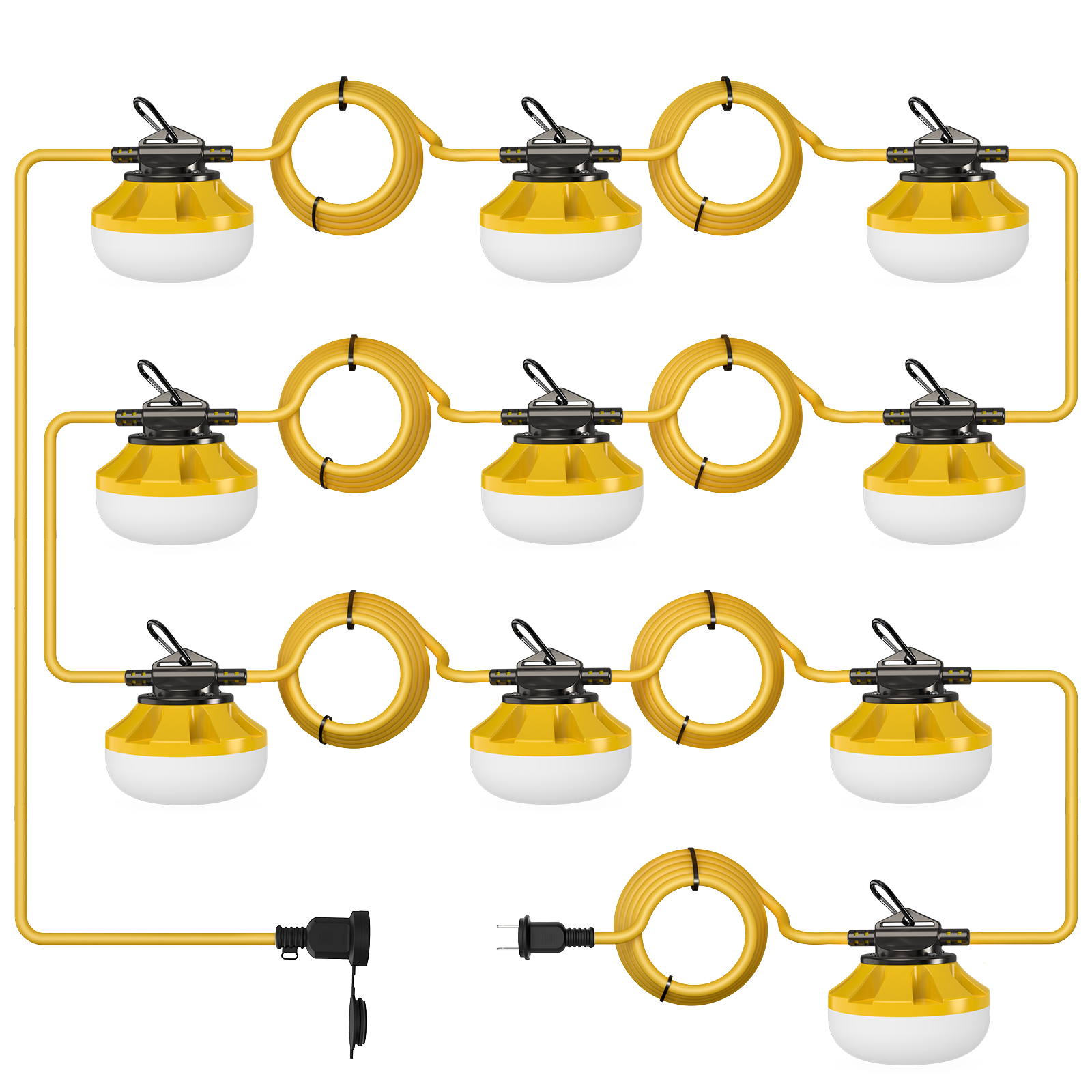
Modern LED work lights produce high lumen output with excellent color rendering, meaning materials appear in their true colors rather than washed out under yellowish or greenish tints common with older bulb technologies. This accuracy matters when matching paint colors, inspecting wood grain, or soldering delicate electronics. The light itself is more evenly distributed, reducing the harsh glare and deep shadows that cause eye strain during prolonged work sessions. Many LED work lights offer adjustable brightness levels, allowing you to dial intensity up for detail-oriented tasks or down for general illumination without swapping bulbs or fixtures. For anyone performing precision work in a home workshop, this combination of brightness, color accuracy, and adjustability makes LED work lights the clear choice over any traditional alternative.
Choosing the Best LED Work Light for Homeowners
Finding the best LED work light starts with honestly assessing your workspace. Measure your primary work area and note how many zones need illumination—a single workbench requires different coverage than a full garage where you move between stations. Consider whether your space has convenient outlets or whether cordless operation is essential. Brands like Hyperlite have expanded the range of options available to homeowners, offering lighting solutions designed specifically for demanding workshop environments. Once you understand your environment, you can match features to real needs rather than overspending on capabilities you’ll never use.
Begin by evaluating brightness requirements. For general tasks like organizing shelves or basic assembly, a light producing around 1,000 lumens is sufficient. Detail work such as wood finishing, wiring, or painting demands 2,000 lumens or more with high color rendering to distinguish subtle differences in materials. Next, prioritize battery life if you’re choosing rechargeable lights—look for models that deliver at least four hours on a full charge at maximum brightness, ensuring you can complete a typical weekend session without interruption. Rechargeable lights also eliminate ongoing battery replacement costs, making maintenance effortless over the long term.
Durability matters in workshop environments where tools get dropped and dust accumulates. Seek housings rated for impact resistance and lenses that resist scratching. Water resistance is valuable if you occasionally work outdoors or in damp basements. Finally, consider mounting versatility—a light that offers magnetic attachment, a hook, and a stable base gives you positioning options for nearly any scenario. By working through these criteria systematically, you’ll identify the best LED work light that fits both your projects and your budget without unnecessary complexity.
Practical Setup and Application Tips
Easy Installation and Positioning
Getting the most from your portable LED work light comes down to thoughtful placement rather than complicated installation. Start by identifying your primary work surface and position your light at a 45-degree angle from above to minimize shadows cast by your hands and tools. If your light has a magnetic base, attach it to metal shelving or a steel beam above your bench for an elevated vantage point that mimics overhead lighting without permanent mounting. For tasks performed at ground level—such as working under a vehicle or inspecting plumbing—use a hook attachment to hang the light from a raised surface, directing the beam downward. In tight spaces where no mounting point exists, a foldable stand placed on an adjacent surface provides stable, adjustable illumination. The key principle is triangulation: when one light source creates a problematic shadow, add a second light from the opposite angle to eliminate dark spots entirely.
Creative Uses in Home Workshops
Portable lighting versatility extends well beyond the workbench. In garages, position a rechargeable LED light inside engine bays or wheel wells where overhead fixtures cannot reach. Basement workshops benefit from lights clipped to storage racks during organization projects, illuminating deep shelves that permanent fixtures leave in darkness. For outdoor DIY tasks like deck staining or fence repair, carry your light to the job site without running extension cords across the yard. These lights also serve double duty during power outages, providing reliable emergency illumination throughout your home. Whether you’re refinishing furniture in the driveway, wiring a new outlet behind drywall, or painting trim in a dimly lit hallway, a portable LED work light adapts instantly to each scenario without any setup beyond switching it on and pointing it where you need visibility most.

Maintenance and Care for Long-Lasting Use
Portable LED work lights require minimal upkeep compared to traditional fixtures, but a few simple habits will extend their lifespan significantly. After each use, wipe the lens and housing with a dry microfiber cloth to remove sawdust, grease, and debris that can accumulate and reduce light output over time. If grime builds up, a slightly damp cloth with mild soap handles the job without damaging protective coatings on the lens. For rechargeable lights, battery care is the single most important maintenance factor. Avoid draining the battery completely before recharging, as partial discharge cycles preserve lithium-ion cell health and maintain capacity over hundreds of charge cycles. Store your light in a cool, dry location rather than leaving it in a hot car or unheated garage during extreme temperatures, since heat and cold both degrade battery chemistry prematurely. If your light begins flickering or dimming unevenly, check the charging contacts for corrosion and clean them with a dry cotton swab. Loose connections at the charging port are another common culprit—inspect the cable and port for debris. By following these straightforward steps, your LED work light will deliver consistent, reliable performance for years without replacement or professional servicing.
Upgrade Your Workshop With Portable LED Lighting
Traditional workshop lighting was designed for a different era—one where fixed installations and high energy consumption were simply accepted as unavoidable. For today’s homeowners working in compact garages, basements, and multipurpose spaces, those limitations no longer make sense. Portable LED work lights deliver superior brightness with accurate color rendering, consume a fraction of the energy, and move effortlessly from one task to the next without wiring, mounting hardware, or professional installation. Their rechargeable batteries eliminate cord clutter and outlet dependence, while durable construction withstands the realities of workshop environments. Whether you’re performing detail-oriented finishing work, tackling automotive repairs, or simply organizing a cluttered storage area, the right portable LED light transforms visibility and reduces frustration instantly. Choosing the best LED work light for your specific needs means evaluating your workspace honestly, prioritizing features that match your projects, and maintaining your investment with minimal effort. The result is a brighter, safer, and more productive workshop experience that adapts to you rather than forcing you to work around its limitations.