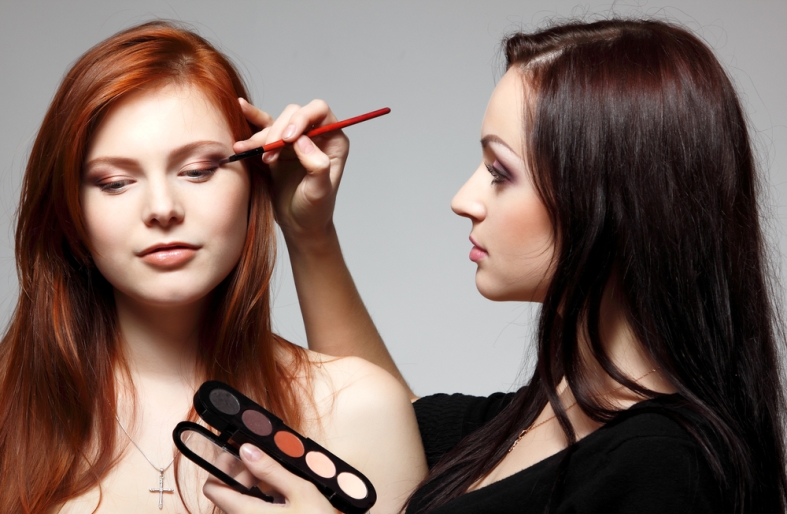
Fashion photography has always been expensive, time-consuming, and logistically demanding. Booking professional models, renting studios, hiring photographers, and managing post-production workflows can drain a significant portion of a brand’s marketing budget — even before a single product goes live online.
That’s why the rise of the AI fashion model generator is changing the game for brands of every size. By using artificial intelligence to create lifelike model images from product photos alone, businesses can now produce high-quality catalog content in a fraction of the time and at a fraction of the cost. Whether you run a growing e-commerce store trying to scale your product listings or an established fashion label looking to diversify your model representation, AI-generated model photography offers a practical, scalable solution. This guide walks through what AI fashion model generators do, why they’re worth adopting, and how to get started — so you can make a confident, informed decision for your brand’s content workflow.
What Is an AI Fashion Model Generator?
An AI fashion model generator is a tool that uses machine learning — typically image generation or virtual try-on technology — to place clothing on a realistic, AI-created human figure. Rather than photographing garments on a live model, you upload a product image and the AI produces a polished, photorealistic result showing how the item looks when worn.
These tools rely on advanced image synthesis models trained on large datasets of human body shapes, clothing textures, and lighting conditions. The output mimics the quality of a professional photo studio shoot, preserving garment details like patterns, stitching, and color gradients while adapting naturally to the model’s pose and body proportions. The end result is a finished product image that requires no manual retouching and no coordination with a human talent team.
The Technology Behind AI Model Generation
Modern AI model generators use a combination of diffusion models, virtual try-on algorithms, and pose estimation to achieve realistic results. The process works by analyzing the uploaded garment to extract texture, color, and structural details, then mapping those details onto a generated human figure. Physics-aware rendering simulates natural draping and fabric behavior, and the final output is blended with a realistic background or studio scene. The result is a finished model photo with no manual editing, no studio setup, and no human model required on set.
Key Benefits of Using an AI Fashion Model Generator
For e-commerce brands and fashion businesses, the advantages of AI-generated model photography go well beyond cost savings. The cumulative impact on operations, speed, and brand presentation makes this one of the more meaningful technology adoptions available to fashion businesses right now.
Reduced Photography Costs Without Compromising Quality
Traditional fashion photography is expensive. A single day of model and studio rental can run several hundred to several thousand dollars, and that’s before factoring in photographer fees, styling, and retouching. For brands that regularly launch new collections or manage large product catalogs, those costs compound quickly across a season.
AI fashion model generators eliminate most of these expenses. Once you have a tool in place, generating model images becomes a repeatable, low-cost process — upload a garment, configure a model, and get your output in minutes. Brands that previously limited their catalog shoots due to budget constraints can now cover every SKU without financial strain, producing the same volume of imagery at a fraction of the original overhead.
Faster Product Launch Timelines
Speed matters in fashion. Trends move quickly, and the time between sourcing a product and listing it live directly affects sales. Traditional photography introduces delays at every stage — scheduling, shooting, editing, and approvals all take time, and any single bottleneck can push a launch back by days.
With AI-generated images, the production window shrinks dramatically. A product that would have taken a week to photograph and retouch can be processed in under an hour. For brands managing dozens or hundreds of new arrivals each season, that acceleration translates into faster listings, better inventory turnover, and a stronger competitive position during peak demand periods.
Greater Diversity in Model Representation
One practical limitation of traditional photography is the cost of working with multiple models. Featuring a diverse range of body types, ages, and ethnicities typically means multiple bookings — which multiplies costs and scheduling complexity significantly.
AI fashion model generators make diverse representation accessible at scale. You can generate models of different ages, skin tones, body shapes, and genders from the same garment photo, giving shoppers a more inclusive and accurate view of how a product might look on them. This not only reflects stronger brand values but has measurable downstream effects: shoppers who see themselves represented in product imagery are more likely to complete a purchase and less likely to return an item after delivery.
How to Use an AI Fashion Model Generator
Getting started is more straightforward than most brands expect. Here’s a general workflow that applies to most AI model generation platforms, from small independent stores to large-scale e-commerce operations.
Step-by-Step Guide to Creating AI Model Photos
Start by preparing your garment images. Use clean, well-lit product photos with a neutral or white background — the cleaner the input, the more accurate and polished the AI output will be. Avoid images with heavy shadows, motion blur, or busy backgrounds that could confuse the model’s analysis.
Next, choose or configure your model appearance. Depending on the platform, you can select from preset figures or define specific parameters like gender, body type, age range, and ethnicity. Kling AI, for instance, allows users to generate models across a wide range of appearances, giving brands precise control over how their products are represented without booking a single model.
Then select your pose and background. Most tools offer preset pose options suited to different garment types — standing poses for full-length items, seated arrangements for knitwear or accessories. Background settings typically include studio environments, plain white, and contextual outdoor scenes. Once your configuration is set, submit the job, review the output for garment accuracy and overall realism, and export the finished image directly into your product listing workflow.
Virtual Try-On Compared to Traditional Model Shoots
The debate between AI-generated imagery and traditional photography often centers on quality and authenticity. In the early days of AI image tools, the gap was significant — generated images looked artificial, clothing didn’t drape naturally, and fine details were frequently lost in the output.
That gap has closed considerably. Today’s leading AI fashion model generators produce output that is difficult to distinguish from professional studio photography. Fabric textures render accurately, shadows fall in physically plausible ways, and the overall composition matches what a skilled photographer would produce in a controlled environment. For everyday catalog photography — the practical, functional imagery that drives product page conversions — AI generation is now a credible and often superior option to traditional shoots.
Traditional photography still holds advantages in specific contexts. High-end editorial campaigns, content relying on strong emotional storytelling, or brands whose identity depends heavily on authenticity may still prefer human models for flagship content. But the key distinction is scalability: a traditional shoot has a ceiling defined by time, budget, and logistics, while an AI fashion model generator has virtually no ceiling — you can process as many garments as needed, whenever you need them, without compounding costs.
Who Gets the Most Value from an AI Fashion Model Generator
While any fashion-adjacent business can benefit from AI model photography, certain segments see especially strong returns on adoption.
E-commerce brands with large catalogs gain the most immediately. The ability to generate consistent, high-quality model images across hundreds or thousands of SKUs without scaling up photography budgets is a significant operational advantage that compounds across every new collection.
Startups and independent designers also benefit disproportionately. Early-stage brands often can’t afford professional photography at all, which forces them to rely on flat lay shots or low-quality imagery that hurts conversion rates. AI model generation levels the playing field, allowing small brands to present their products with the same visual polish as established competitors — without the overhead that previously made that standard unreachable.
Marketplaces and multi-brand retailers can use AI model generators to standardize imagery across their catalog, ensuring a consistent visual experience regardless of how individual suppliers originally photographed their products. Fashion content creators — stylists, bloggers, and social media managers — can also produce styling content at a scale that simply wouldn’t be feasible with traditional methods.
The Future of Fashion Photography Is Already Here
The fashion industry is in the middle of a genuine shift in how product content gets made. AI model generators aren’t a novelty — they’re a practical infrastructure upgrade that addresses real operational pain points around cost, speed, consistency, and model diversity.
For brands that have been hesitant to adopt AI tools, the barrier to entry has never been lower. Platforms like Kling AI have built virtual try-on and model generation capabilities that are accessible, intuitive, and capable of producing commercial-quality output without a steep learning curve or a large upfront investment.
The question isn’t whether AI fashion model generators will become standard practice in e-commerce content production — it’s how quickly each brand will make the transition. Starting with a small test batch of products is a low-risk way to see the results firsthand before committing to a broader rollout. Fashion photography doesn’t have to be expensive or slow. With the right AI tools in place, producing consistent, high-quality model imagery becomes a routine part of your workflow — one that scales naturally as your business grows.